
Pet Sitter vs. Boarding: What's Really Best for Your Dog or Cat This Summer?
Pet Sitter vs. Boarding: What's Really Best for Your Dog or Cat This Summer?
Summer travel season is here. And for pet owners across Arlington, Alexandria, Washington DC, Tysons, Reston, Fairfax, and Columbia MD, that means one question comes up fast: what do I do with my dog or cat while I am away?
The American Veterinary Medical Association identifies in-home pet sitting and boarding as the two primary care alternatives for pets when travel is not an option. Both have their place. Choosing the right one comes down to your specific animal.
This guide breaks down both options clearly so you can make the right call for your pet, and know exactly what to look for before you book.
What Is the Difference Between a Pet Sitter and Boarding?
A pet sitter comes to your home to care for your pet on your schedule. Visits range from daily drop-ins to full overnight stays. Your pet stays in a familiar environment, sleeps in their own bed, eats their regular food, and maintains their routine.
A boarding facility houses your pet at a separate location for the duration of your trip. Your pet interacts with staff and potentially other animals throughout the day.
Both options exist for a reason. The right choice depends on your pet's personality, health history, and individual needs.
How Each Option Affects Dogs
Most dogs are social animals, which makes them reasonable candidates for either option. But "reasonable candidate" does not mean "no preference."
In-Home Pet Sitting Works Best for Dogs That:
- Are anxious or nervous in new environments
- Have medical needs or special feeding schedules
- Are older or recovering from an illness or surgery
- Thrive on routine and familiarity
- Are reactive with unfamiliar dogs or people
Boarding May Suit Dogs That:
- Are highly social and love group play
- Have no history of separation anxiety
- Adapt easily and quickly to new environments
One important consideration: most dogs experience at least mild stress during the first 24 to 48 hours in a new facility, even when they appear fine on the surface. This adjustment period can suppress appetite, disrupt sleep, and for short trips, can eat up the majority of the stay.
With in-home pet sitting, your dog's routine does not change. They wake up at the same time, eat from the same bowl, walk familiar routes, and sleep in their own spot. That consistency is not a small thing. For many dogs, it is the difference between a calm week and a stressful one.
How Each Option Affects Cats
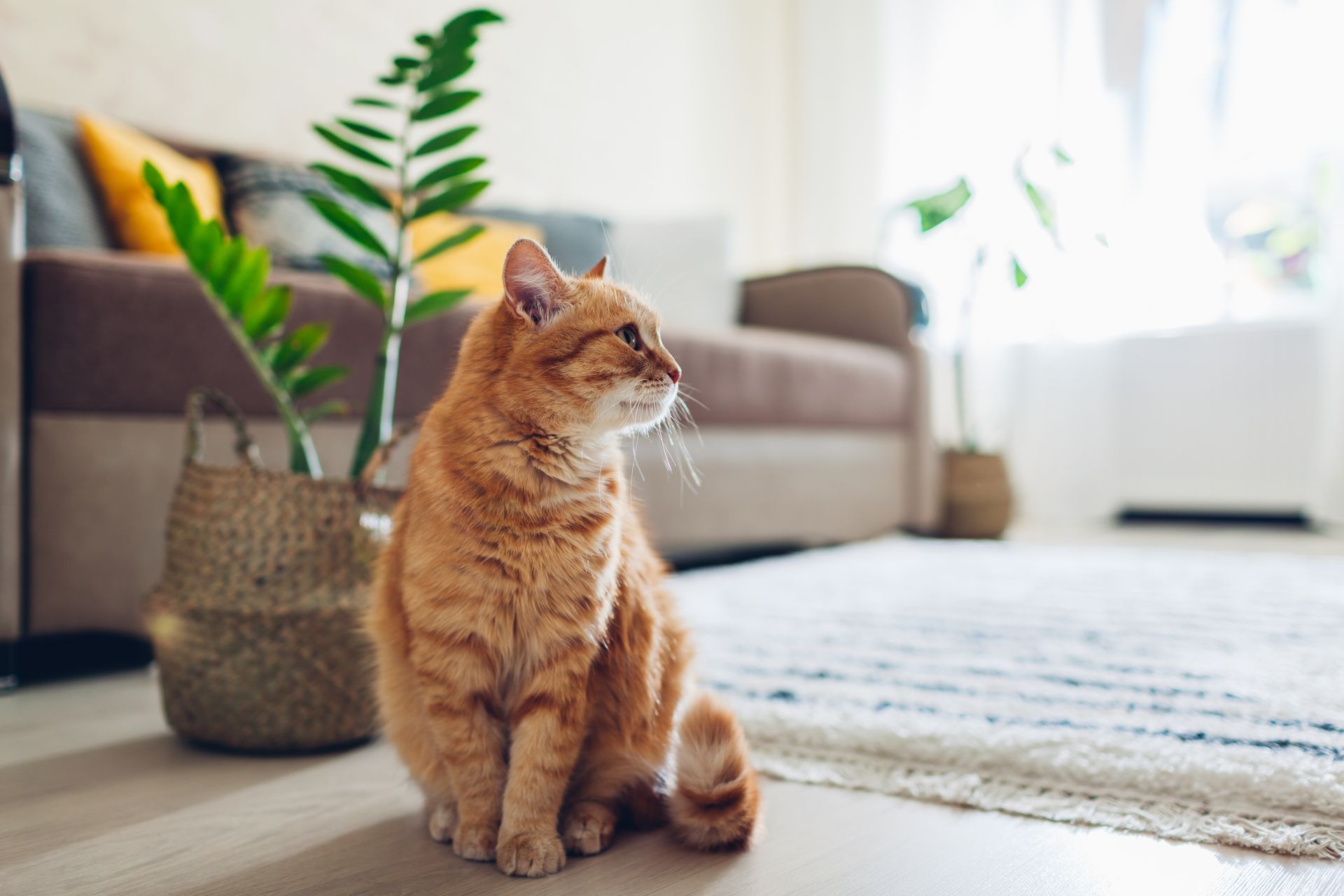
If you have a cat, this section matters even more.
Cats are highly territorial. Their home is not just where they live. It is how they feel safe. Moving a cat to an unfamiliar space, even a clean and well-staffed facility, can be genuinely distressing. Stress in cats is not a minor inconvenience. It can manifest as refusal to eat, hiding, over-grooming, or in some cases, serious health consequences.
According to the Cornell University Feline Health Center, environmental changes are a documented trigger of feline lower urinary tract disease, a painful and recurring condition directly linked to stress. Keeping your cat at home is one of the most effective ways to prevent it.
In-home pet sitting is almost always the better choice for cats. A professional sitter visits daily, refreshes food and water, cleans the litter box, checks for any health concerns, and provides companionship. Your cat never leaves home. Their territory stays intact. Their stress stays low.
The exception is a cat with complex medical needs requiring 24-hour veterinary monitoring, where a specialty facility may be warranted. For the vast majority of cats, however, there is no close call. Staying home wins.
The Hidden Costs of Boarding
Boarding rates look straightforward on the surface. A nightly fee, maybe a daycare add-on. But the total cost often climbs once you factor in:
• Required vaccination documentation and updates (sometimes at the owner's expense)
• Surcharges for medications or special feeding protocols
• Suite upgrades when your pet needs more space
• Handling fees for pets with behavioral notes on file
• Peak-season pricing increases, which is exactly what summer brings
In-home pet sitting pricing is typically more transparent. You pay for the number of visits or overnight stays, and what is included is what is included. No surprise line items when you pick up your pet.
What to Look for in a Professional Pet Sitter
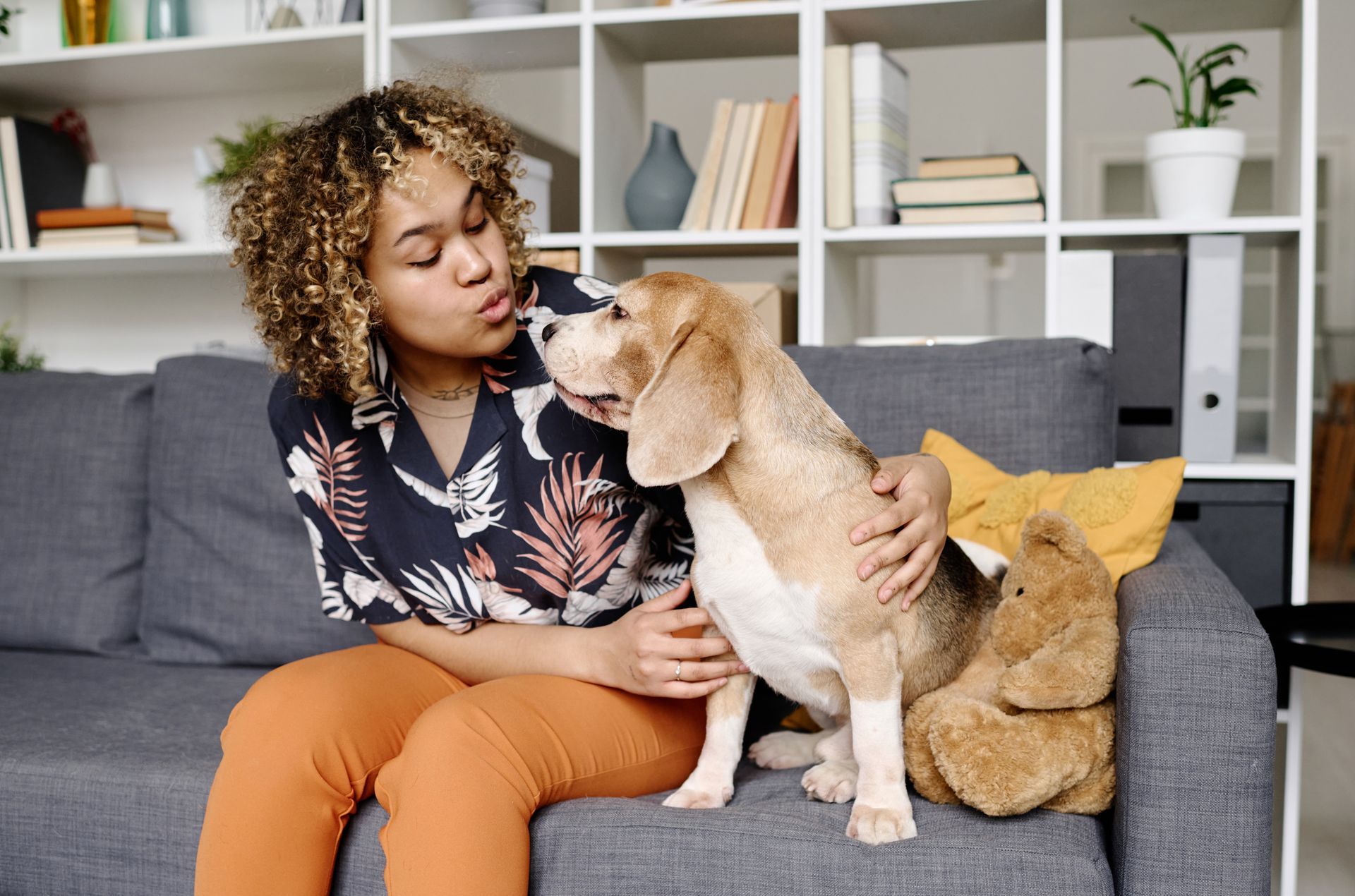
Regardless of which option you choose, this applies: not all pet sitters are equal. Here is what to verify before you trust anyone with your pet.
Bonded and Insured
Pet Sitters International, the leading educational organization for professional pet sitters since 1994, sets maintaining current liability insurance and bonding as a baseline industry standard. Ask any provider you are considering whether they meet it. A professional company will answer immediately and without hesitation.
Background-Checked Staff
The person entering your home and caring for your pet should have a verified background check on file. This is non-negotiable.
Accountable, Trained Employees
There is a meaningful difference between a company that employs its caregivers and one that sources sitters through an app with minimal oversight. Employees are trained, supervised, and held to consistent company standards. When something goes wrong with an unvetted contractor, accountability gets murky fast.
Clear Emergency Protocols
What happens if your pet gets sick or injured while you are away? A professional company has a clear answer to this question before you even ask it. If they do not, keep looking.
Regular Communication and Updates
You should receive regular updates, photos, and check-in notes throughout your trip. If a company cannot tell you what that looks like before you book, that is a warning sign.
Why In-Home Care Wins for Most Pets
Here is the honest summary. For dogs with any anxiety, medical needs, or strong routine dependence, professional in-home pet sitting almost always produces better outcomes than boarding. For cats, it is rarely even a close call.
The core advantages of professional in-home care:
• Zero disruption to your pet's daily routine
• No exposure to other animals' illnesses or parasites
• One-on-one, individualized attention
• Your home stays secure with daily professional check-ins
• Reduced stress, which means a healthier pet when you return
The one real requirement: you need a provider you genuinely trust. That means doing the homework above before you book.
When Boarding Makes Sense
Boarding is not the wrong answer in every situation. It may be the right fit when:
• Your dog is highly social, healthy, and has had consistently positive boarding experiences in the past
• Your trip is long enough that multiple daily visits would be logistically insufficient
• Your pet has medical needs requiring 24-hour veterinary supervision
• You have a young, adaptable dog with no anxiety history
The key is matching the option to the individual animal, not defaulting to whatever is most convenient. Your pet's temperament is the deciding factor.
Professional In-Home Pet Care for the DMV Area
At Puppy Luv Pet Services, we provide professional in-home pet sitting for dogs and cats across Arlington, Alexandria, Washington DC, Tysons, Fairfax, Columbia MD, and surrounding areas.
Our team members are background-checked employees who are bonded and insured. Every visit includes personalized attention, detailed updates, and the kind of care you would expect from a team that genuinely loves animals.
Whether you need daily drop-in visits or overnight stays, we bring the same standard of attentive, luxury care your pet deserves, right to your door.
Ready to Book for Summer? Contact Us Today.
Call or Text: (571) 224-1744
Email: info@puppyluvme.com