Best No-Pull Harness for a Large Dog
The Best No-Pull Harness for a Large Dog (From People Who Walk Them Every Day)
By the Team at Puppy Luv Pet Services | Premier Pet Concierge in the DMV
If you've ever been yanked off a curb in Arlington, nearly taken out by a Husky lunging at another dog in National Landing, or spent five minutes wrestling a 70-pound Lab into a harness on a busy sidewalk, this post is for you.
At Puppy Luv Pet Services, we've been professionally walking dogs across the DMV since 2012. Our walkers handle everything from mellow Golden Retrievers to full tilt Malamutes on a daily basis. We've seen firsthand what works on leash and what absolutely doesn't.
Here's what we've learned about no-pull harnesses for large dogs.
Why a Collar Isn't Enough for a Large Puller
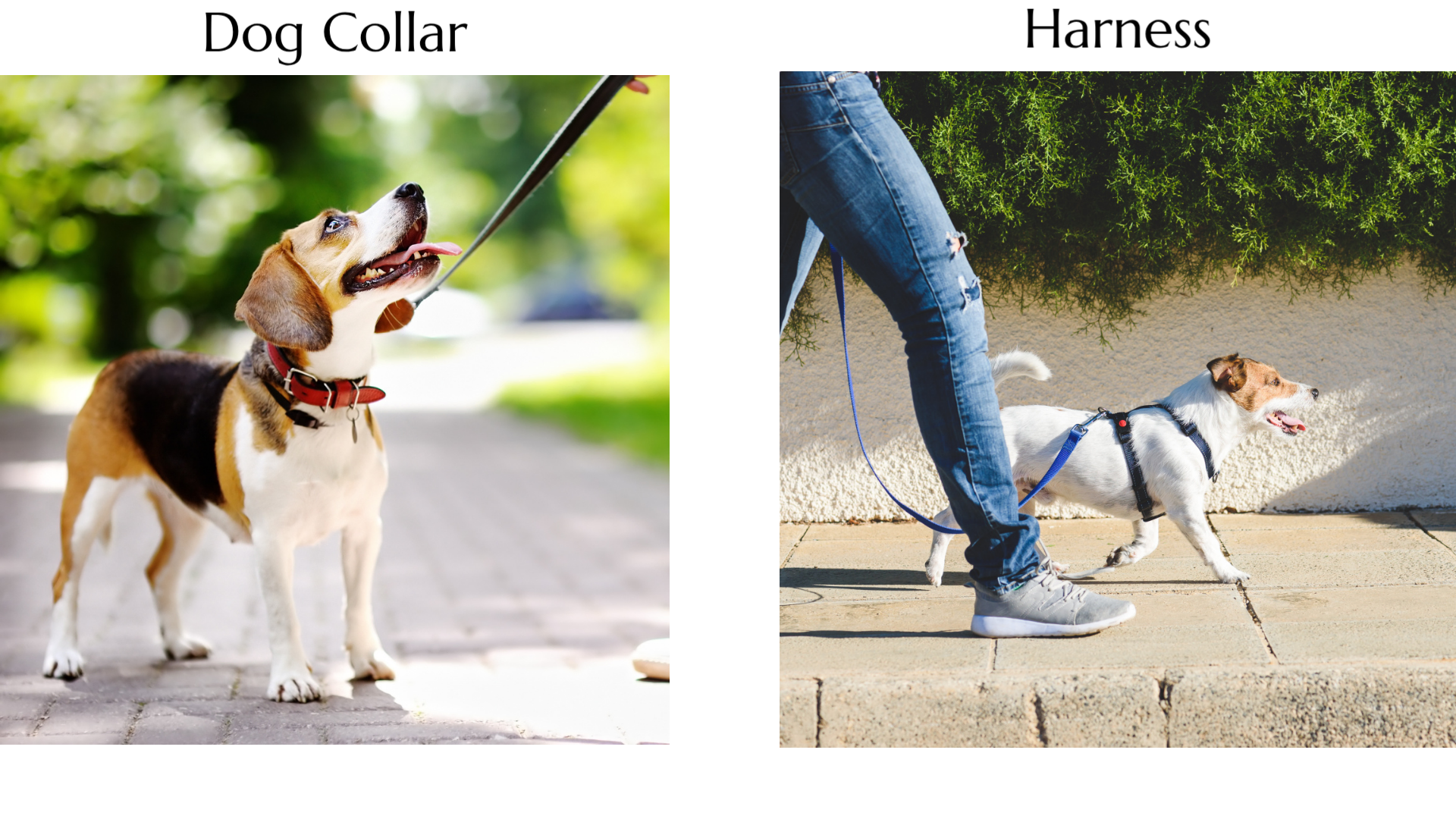
Collars are great for ID tags. For a large dog that pulls, they're a problem. When a 60–100 lb dog hits the end of a leash attached to a collar, all of that force goes directly to the throat and neck which can cause real damage over time.
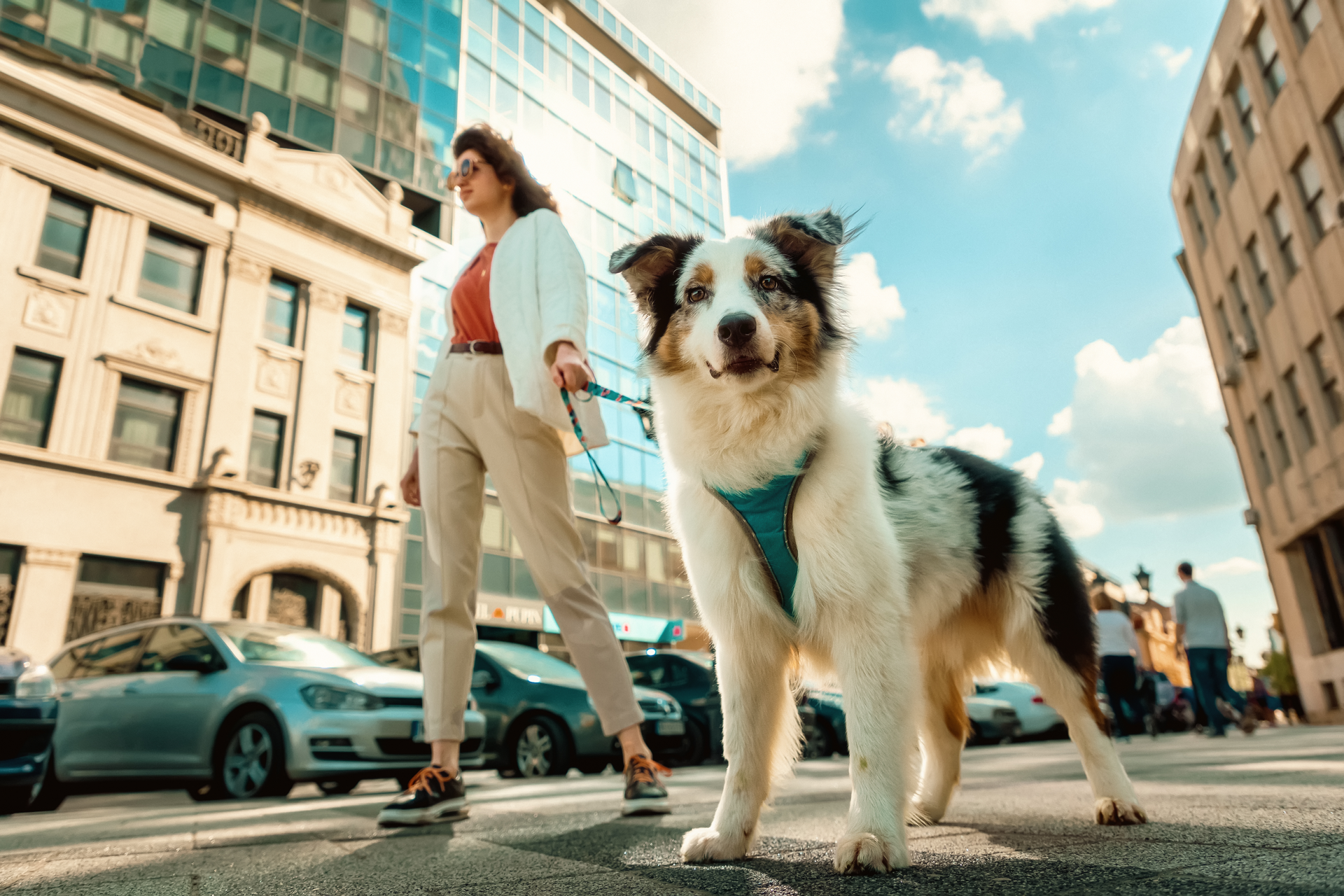
A properly fitted no-pull harness distributes pressure across the chest and shoulders instead, gives you far more steering ability, and significantly reduces a dog's ability to generate forward pulling power. That last part matters a lot when you're navigating a crosswalk on a busy DC street.
What Makes a No-Pull Harness Actually Work?
Not everything marketed as "no-pull" truly stops pulling. Look for these features:
Front clip attachment. When the leash clips at the chest (not the back), a forward pull rotates the dog sideways toward you which is uncomfortable to sustain. Most dogs quickly learn that pulling doesn't get them anywhere. Back-clip harnesses, by contrast, let a large dog lean into the pull with their full body weight.
Multiple adjustment points. Large dogs come in wildly different shapes. A good harness should adjust at the neck, chest, and belly strap independently. One or two-point adjusters rarely achieve a truly secure fit.
Padding at contact points. The underarm area and chest take the most friction during a walk. Without padding, you risk chafing, fur loss, and a dog who dreads the harness.
Escape resistance. This is non-negotiable for us. We walk large, strong dogs through crowded apartment lobbies and across busy intersections. A harness that slips sideways or can be backed out of is a genuine safety hazard.
Our Top 5 No-Pull Harness Picks for Large Dogs
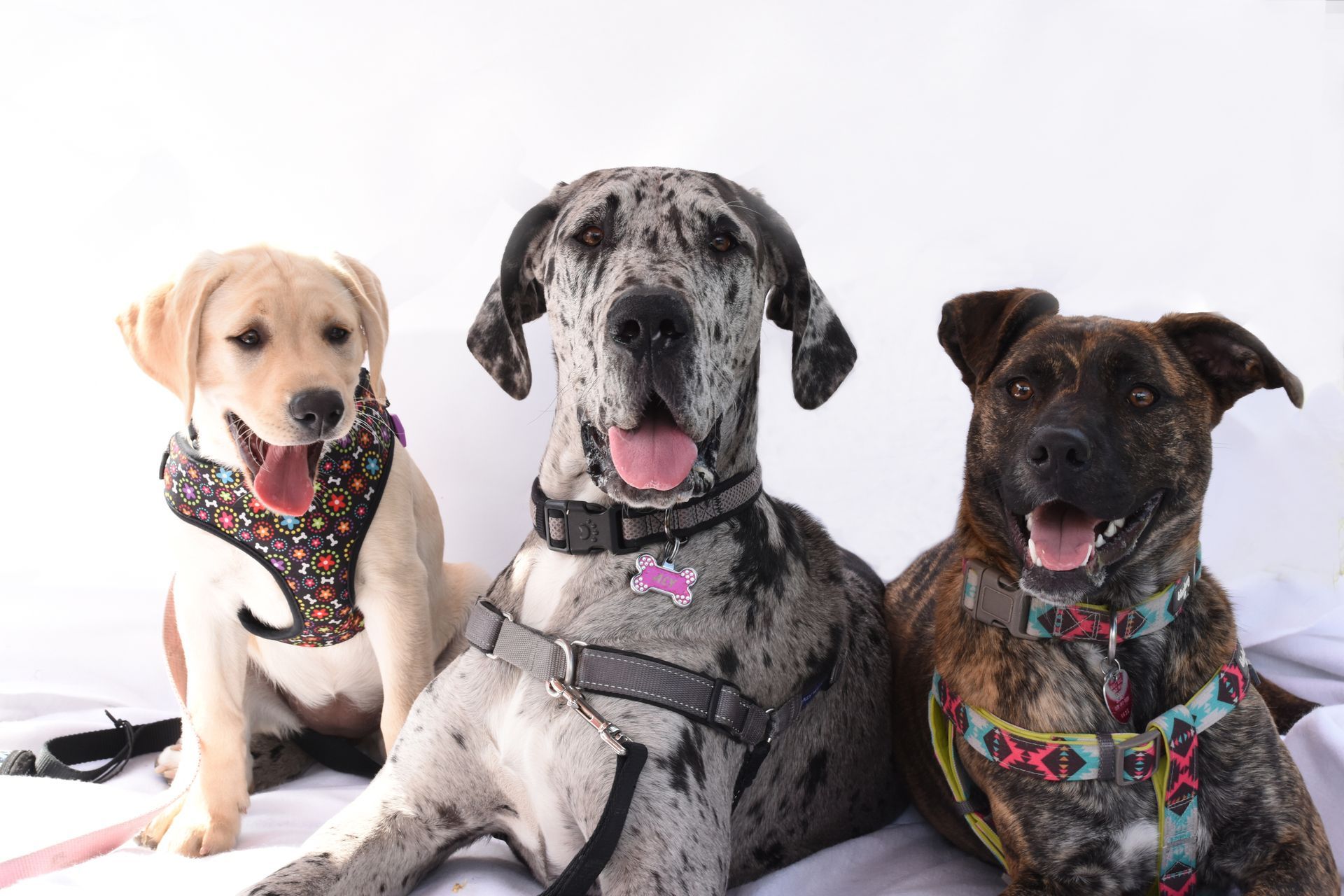
1. PetSafe Easy Walk — Best for First-Time Harness Users
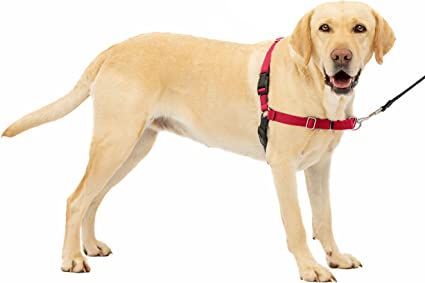
The PetSafe Easy Walk is the most widely recommended front-clip harness on the market, and for good reason. It's fast to put on (two snap buckles, done), and the chest martingale loop applies gentle shoulder pressure when a dog pulls, redirecting them sideways rather than forward.
It's our top pick for owners making the switch from collar to harness for the first time, especially with breeds like Labs, Goldens, and mixed-breed dogs who are enthusiastic but not extreme pullers.
Watch out for: No strap padding, so sizing correctly is especially important.
2. Blue-9 Balance Harness — Best for Very Large & Strong Dogs
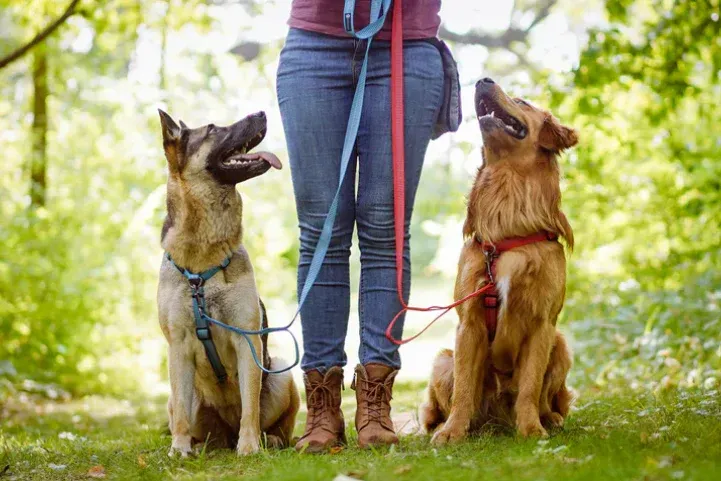
For powerful dogs (German Shepherds, Rottweilers, Malamutes, large Huskies) the Blue-9 Balance Harness is a standout option designed by dog training professionals. Its six independent adjustment points mean you can dial in a precise fit for virtually any large dog body type, which is critical for escape prevention on busy DMV streets.
It has both front and back leash attachment points, and the neck buckle means dogs who hate things going over their head can be fitted without a fight. A huge practical advantage on a city walk.
Watch out for: All those adjustment points mean the first fitting takes patience. Do it at home, not on the sidewalk.
3. 2 Hounds Design Freedom No-Pull — Best Overall for Hard Pullers
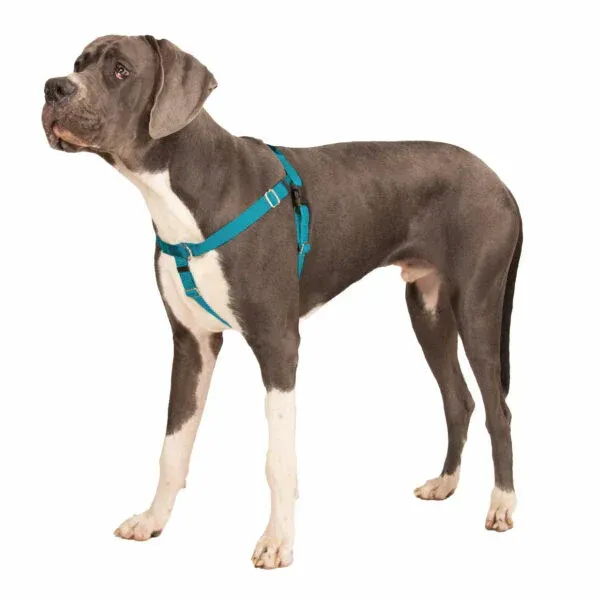
The Freedom No-Pull Harness is a favorite among professional dog walkers for one key reason: it has both a front chest clip and a back clip, and it comes with a double ended leash that attaches to both simultaneously. This dual setup gives you exceptional control. Steering from the front, stability from the back.
The velvet-lined chest panel also reduces chafing significantly on long or high-activity walks.
Watch out for: The dual-clip leash takes a few walks to get used to. Stick with it, it pays off.
4. Ruffwear Front Range — Best for Active Urban Dogs
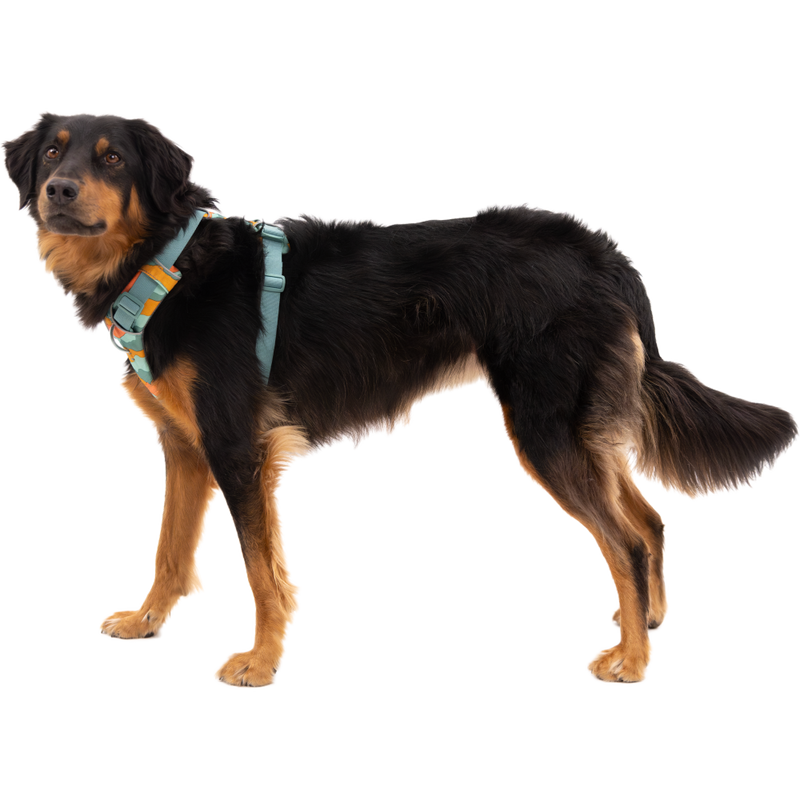
If your dog logs serious mileage (city walks, weekend hikes, everything in between) the Ruffwear Front Range is worth the investment. Both front and back clip points, padded chest and belly panels, and reflective trim on all four sides make it the most well-rounded harness on this list.
That 360-degree reflectivity isn't just marketing; it's a real safety feature on the dimly lit streets and parking garages we navigate in the DMV every day.
Watch out for: Sizing can run inconsistent Always measure chest girth and compare to Ruffwear's specific chart before ordering.
5. DJANGO Tahoe — Best for Style-Conscious Owners
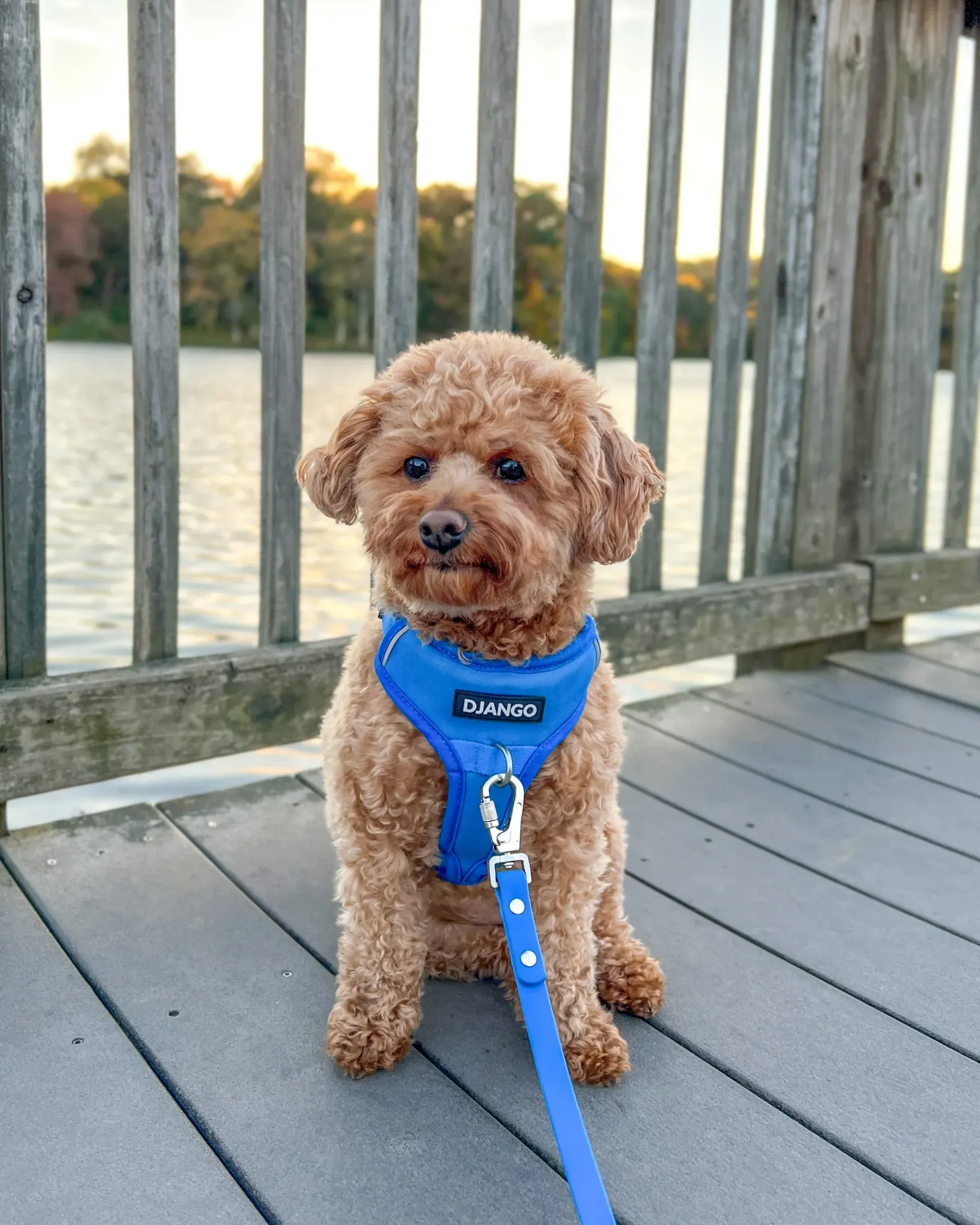
Most harnesses are not attractive. The DJANGO Tahoe is the exception. High quality materials, thoughtful construction, dual clip points, and genuine adjustability at both the neck and chest. For pet parents in the DMV's upscale residential communities who care about the full package, this one delivers.
Watch out for: Higher price point than the others on this list.
The #1 Mistake: Wrong Fit
We see this constantly. A client has a quality harness, but it's been adjusted straight out of the box with no real fitting. The belly strap is too loose, the chest piece rides up toward the throat, or the sides gap open. A poorly fitted harness won't stop pulling. Worse, a large dog can slip right out of a loose harness mid-walk.
Simple rule: You should be able to slide two fingers comfortably under any strap but not four. The harness should lie flat against your dog's body with no twisting, bunching, or gaps.
Take 10–15 minutes at home to fit it properly the first time. Once it's dialed in, you generally won't need to readjust it.

How to Put It On Without a Struggle
Getting a harness onto a wiggly 80-pound dog doesn't have to be a battle. A few things that genuinely help:
- Build a routine. Dogs learn patterns fast. Harness-on before every walk = walk is coming. Most dogs cooperate better once that association is made.
- Use a treat as a lure. Hold a treat through the neck loop so the dog moves toward the harness rather than away from it.
- Know which way it goes. Lay the harness flat and orient it correctly before trying to put it on — the wider chest piece faces forward.
- Choose the right entry style. If your dog hates things going over their head (common in rescues), look for a step-in or side-buckle design like the Julius-K9.
Let the Pros Handle It
Sometimes the right gear helps, and sometimes you just need a professional who's done this thousands of times.
At Puppy Luv Pet Services, our certified, background-checked walkers handle large and strong-pulling dogs every day across Arlington, Alexandria, Tysons, Fairfax, DC, and Maryland. We use GPS tracking on every walk and provide real-time updates, so you always know how your dog is doing Giving you peace of mind whether you're at the office or running errands.
Book a walk with Puppy Luv today → or call (571) 224-1744.